The Life, Death, and Loud Legacy of Houston's Fitzgerald's
At the corner of White Oak Drive and Studemont Street in the Greater Heights, a heavy timber building stood for exactly one century. It stabled horses on its ground floor before it became the sweaty, loud heart of Houston's live music scene. The building known as Fitzgerald's lived a thousand lives before the wrecking ball finally caught up with it.
The story of Fitzgerald's is a history of a nightclub, but it's also a story about how Houston itself changed: about real estate and immigration, about a woman who couldn't get a bank loan in the 1970s, about punk rock kids spray-painting pentagrams on a stage, and about what happens when a neighborhood gets too expensive for the people who made it interesting. This is the story of 2706 White Oak Drive, from a Polish meeting hall to a 100-year-old firetrap to a parking lot.
The Dom Polski Genesis: A Community Blueprint (1918–1974)
Long before the distorted guitars of 1990s grunge bands rattled its windows, the two-story wooden structure in the Heights was an anchor for the Polish-American community. The roots of this establishment trace back to 1891 with the formation of the Polish Social Club, an organization of eight Polish Americans that eventually joined the Polish National Alliance to become Kosciuszko Lodge 165. For years, the lodge met in private homes and rented halls across the city, but as the greater Polish American community of Houston grew (bolstered by families like the Mozdenskis, whose grandparents Wallace and Rosie settled in the Heights in the 1930s), so did the need for a permanent home of their own.
In 1918, a real estate developer named Dr. Stefan Wagner Mieczkowski, along with the Kazmierowski family of builders, spearheaded a campaign to build a “Polski Dom,” or Polish Home, for the city. The immigrant community managed to raise and borrow a total of $1,200 to fund the venture, a testament to their collective determination and pooling of meager resources. On June 2, 1918, the heavy timber structure at 2706 White Oak Drive was formally opened to the public.
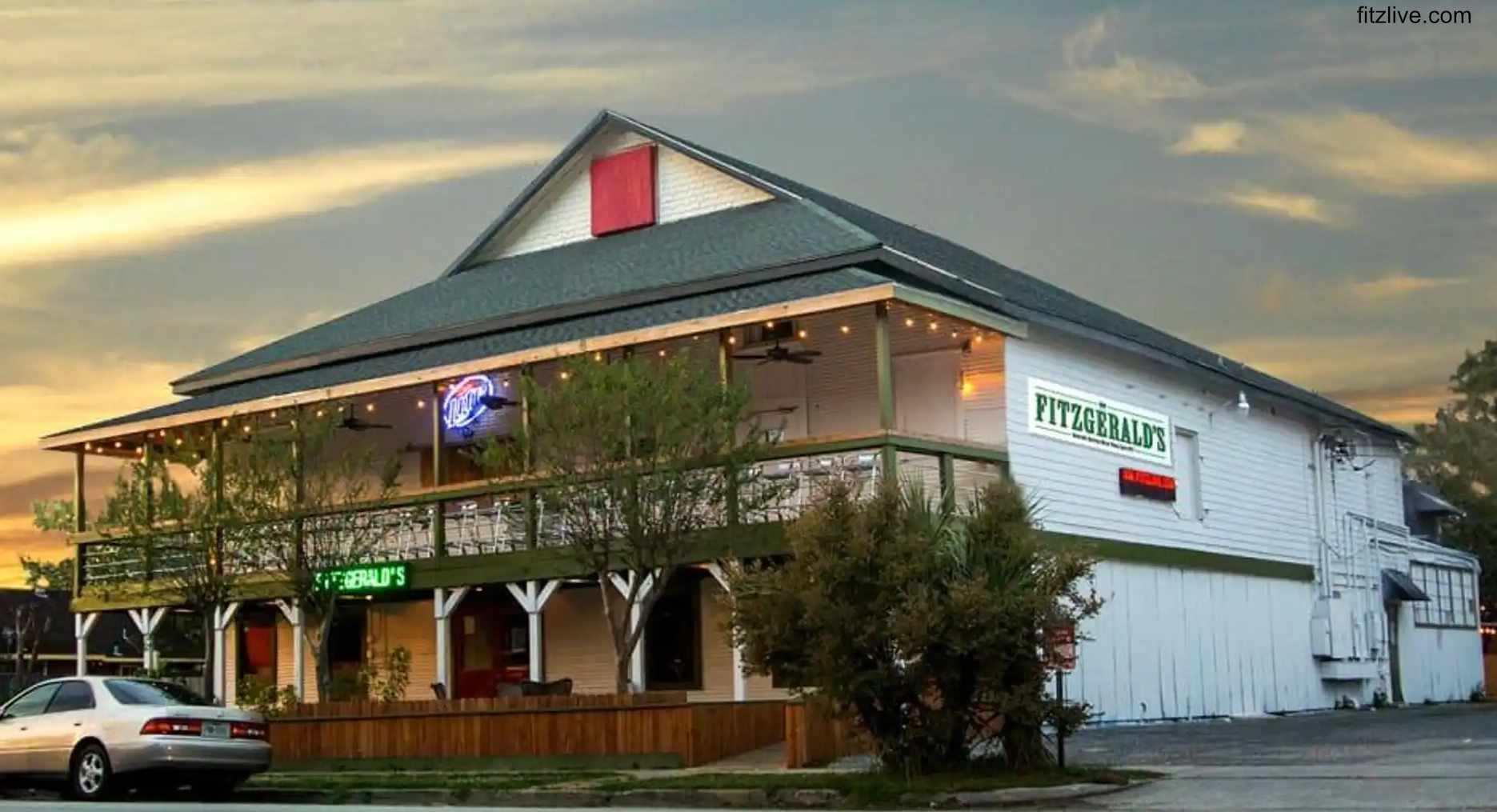
The architectural design of the Polish Home was driven entirely by the pragmatic necessities of the era. Built decades before the advent of widespread central air conditioning, the structure relied heavily on natural ventilation to combat the oppressive Gulf Coast heat. The second floor featured a sprawling dance hall with a high-quality wood floor and numerous large windows that could be thrown open to catch the Texas breeze. Furthermore, the hall opened onto wrap-around outside porches where attendees could take a break from the dancing and socialize in the open air. Notably, the first floor of the building was initially left completely open to the elements, serving as a stable for horses and a garage for carriages, and eventually, early automobiles.
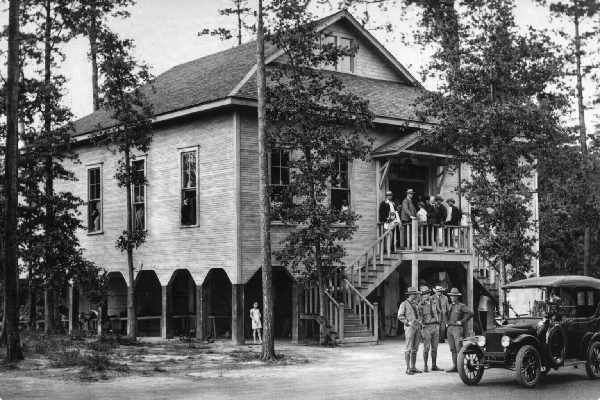
For over half a century, Dom Polski was the bustling epicenter of Polish civic and social life in Houston. The Kosciuszko Lodge, the Polonia Society, and the Polish Women's Group utilized the space to host May Fests, Easter parties, bingo nights, and massive communal dinners. Wanda Bench, a longtime supporter of the Polish Home from Chappell Hill, recalled the large “war years” Christmas parties during the 1940s. Because the first floor was the only area equipped for such endeavors, families would cook turkeys and traditional trimmings downstairs and physically carry everything up the steep wooden staircases to the packed hall. For young, single immigrants like Bench, the hall provided a crucial place of familiarity, comfort, and cultural continuity in a rapidly modernizing American South.
As the mid-20th century approached, the building witnessed the gradual assimilation of its patrons into the broader fabric of Houston. It operated under various names reflecting this transition, including Dom Polski (1918–1948), Dompolski Hall (1948–1958), and Polish Home, Inc. (1958–1974). During the 1950s, the hall began hosting wider entertainment events beyond the Polish community. A persistent rumor suggests that a young Elvis Presley performed at the hall during his early barnstorming days; while definitive proof remains elusive, Scotty Moore, Presley's legendary guitarist, later referenced “Polish Hall” as one of the leading Houston venues of the era on his website.
By the early 1970s, however, the Polish community had largely outgrown the aging, un-air-conditioned wooden building. Suburban flight and changing demographics prompted the community to seek modern accommodations with ample parking and contemporary utilities. On July 28, 1974, a new Polish Home opened at 103 Cooper Road in north Houston, complete with a grand celebration featuring a Polish Mass, a banquet of Polish food and Texas BBQ, and official proclamations read from Governor Dolph Briscoe and Houston Mayor Roy Hofheinz. The original building at 2706 White Oak Drive was left vacant, slowly deteriorating, and seemingly destined for the wrecking ball.
The Matriarch, The Bank, and The Purchase (1975–1980)
The building's second life started with a woman who couldn't get a loan. In 1975, a 30-year-old realtor named Sara Fitzgerald moved to the Heights from the Houston suburb of Bellaire. She wanted the derelict Polish Home as a real estate flip, not a career in nightclub management. But there was a problem: commercial banks in the 1970s routinely denied loans to single women unless they could produce a male cosigner to guarantee the debt.
Operating on a rumor circulating among local businesswomen, Sara Fitzgerald sought out Marcella Perry at Heights Savings Association. Perry headed one of the only banks in Houston (and one of the few in the country) run by a woman at the time. She gave Fitzgerald the loan on her own merits. Neither of them could have known it would change the course of Houston's music history. When Fitzgerald took possession of the property in January of 1977, the building was essentially an empty wooden shell. It lacked essential utilities, including modern plumbing, central air conditioning, and adequate electrical systems necessary for commercial operation.
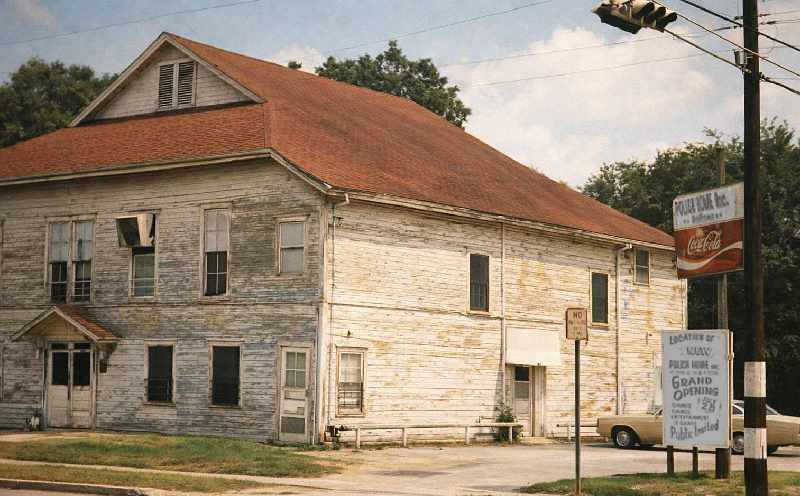
Getting the place running took serious work and money. In 1977, six months after the purchase, G.B. FitzGerald took over operations and officially opened “Fitzgerald's,” one of Houston's first dedicated venues for original live music. In the early years, the club ran on progressive country, blues, and folk. Regulars like Shake Russell and Dana Cooper anchored the schedule, building a steady crowd at the new venue.
Tragically, G.B. FitzGerald died on September 15, 1980. Following his death, Sara Fitzgerald assumed full operational control of the venue, pivoting permanently from a real estate investor to a full-time nightclub matriarch. Aided by dedicated staff, including individuals like accountant Linda Mortenson, Sara figured out the independent music business on her own.
Sara Fitzgerald had no illusions about what she did for a living. In a 1999 interview, she summed up the music business as “cleaning up puke, fixing plumbing and getting rid of rowdy customers”. That lack of sentimentality is probably why the club lasted four decades, outliving Liberty Lunch and Emo's in Austin, CBGB in New York, and The Double Door in Chicago.
The Architecture of Sound and the “Zelda's” Mystique
What made Fitzgerald's special, the thing that musicians and fans still talk about, was the building itself. It sounded and felt like nothing else, and no modern concrete-and-steel box could come close. The building featured a “heavy timber construction” utilizing massive 12-inch by 12-inch wooden beams that, over the span of a century, had become “literally petrified”. Sara Fitzgerald noted that the wood had hardened to the point where one could not even drive a nail into the beams. Despite its rickety outward appearance and local reputation as a “firetrap,” structural engineers routinely declared it one of the most structurally sound buildings they had ever inspected.
The venue operated with a two-tier layout, essentially functioning as two separate clubs under one roof. The upstairs room was a massive, barn-like hall constructed entirely of wood, which lent it a legendary acoustic warmth that traveling sound engineers praised. Because the floorboards were suspended, the upstairs possessed a unique kinetic energy. When a packed crowd jumped in unison during a punk or metal show, the entire floor would sag and bounce, moving with a terrifying but exhilarating vibe that became a hallmark of the Fitzgerald's experience. Patrons constantly wondered if the roof would cave in or the floor would give out, a psychological thrill that added a dangerous allure to the shows.
Downstairs sat a smaller, more intimate performance space famously known as “Zelda's”. The name was a nod to Zelda Fitzgerald, the wife of F. Scott Fitzgerald. Zelda, known as the ultimate 1920s flapper, was a figure of extreme glamour, erratic behavior, and eventual tragedy, struggling with schizophrenia and ultimately perishing in a horrific hospital fire in Asheville, North Carolina. It was a fitting name for the downstairs room.
Zelda's was where bands went to prove themselves. Sara Fitzgerald had a booking strategy she called the “Zelda's System”. Under this model, local, unproven bands would play downstairs for no cover charge, earning money solely through the tips of patrons at the bar. Fitzgerald firmly believed that if a band “can't give it away” downstairs, they had no business selling tickets yet. On Tuesday nights, Zelda's hosted what Fitzgerald affectionately called a “less heinous version of pay-to-play,” acting as a workshop where younger bands were taught the business side of gigging, from building mailing lists to brainstorming promotional ideas. If a band successfully drew a crowd, created energy, and proved they could command an audience in Zelda's, they “graduated” to the upstairs stage where tickets were sold and a cover charge was enforced. The system turned Fitzgerald's into a farm league for thousands of Houston musicians getting their first real taste of “musician life”.
The Golden Era: Legends, Chaos, and Sonic Boom (1980s–2000s)
Throughout the 1980s, 1990s, and into the 2000s, Fitzgerald's was simply the venue in Houston. It hosted everything: from Texas blues and rockabilly to hardcore punk, ska, indie rock, and hip-hop.
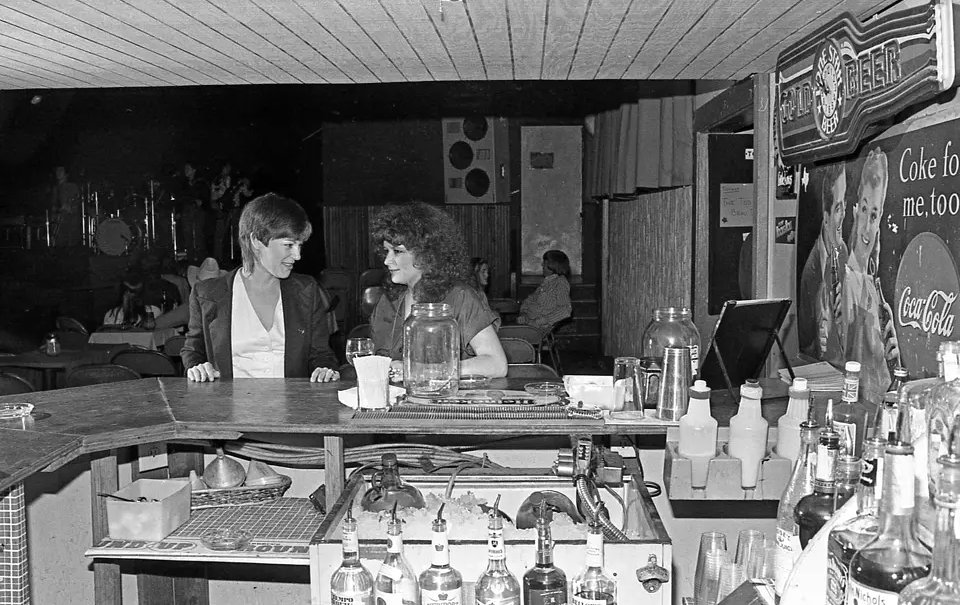 The early years were defined by legends of the blues, soul, and R&B circuits. The iconic Lightnin' Hopkins played one of the first shows upstairs; the venue was so raw at the time that it lacked basic seating or beer boxes, forcing management to hastily bring in folding chairs to accommodate the packed, reverent crowd. Etta James, James Brown, Tina Turner, and Townes Van Zandt all played the wooden stage of a building that barely had working plumbing. The best story about Fitzgerald's connection to the Texas blues that Stevie Ray Vaughan's blistering track, “The House is a Rockin',” was directly inspired by the bouncing floorboards of Fitzgerald's during one of his 1980s performances there.
Sara Fitzgerald later reflected on the surrealism of these bookings. Looking back, she fondly recalled seeing James Brown wandering the club in pink sponge hair curlers, losing her shirt financially to book Tina Turner, pouring over 1,000 shots of Crown Royal over the years for Stevie Ray Vaughan, and even taking the time to set up comedian Jay Leno on a date while he was in town to perform.
By the time the club hit its 10th anniversary in 1987, nobody questioned what it was. The milestone was celebrated with a standing-room-only Wednesday night mega-jam that broke the 2:00 a.m. barrier. The Houston Chronicle noted the city's rock roots were firmly planted in Gulf Coast rhythm and blues that night, as locals like The Blasting Caps and Roy Head took the stage. Sara Fitzgerald herself was spotted cutting a rug on the dance floor with “Mongo” of the infamous (and heavily booed) local cover band, the Ooze Brothers.
As the 1980s bled into the 1990s, the booking shifted to reflect the explosion of alternative rock, grunge, and punk. Fitzgerald's became a necessary, grueling stopover for college bands and touring acts before they hit arenas. R.E.M. famously played a show downstairs at Zelda's for a mere $100 guarantee back when they were a relatively unknown college radio band. Hootie and the Blowfish cut their teeth there; their first show drew a paltry 75 people, but by their third appearance, a frenzied crowd of 1,000 fans attempted to scale the exterior sides of the building to gain entry.
The transition into the '90s was heavily guided by Sara herself. Following a two-year hiatus where she retreated to a 20-acre farm near Brenham, she returned to the venue with a reinvigorated, hands-on approach for the club's 15th anniversary in 1992. Recognizing that her original blues-loving patrons had “got older, moved to Quail Valley and had babies,” she actively shifted the booking policy away from blues to capture a younger demographic. She courted the new psychedelia and alternative rock crowds while simultaneously pushing out the aggressive thrash and hardcore punk scenes that had dominated the late 80s, even going so far as to post signs explicitly prohibiting slam-dancing and stage diving, and removing tables to expand the dance floor.
The venue was equally famous for the sheer chaos and physical destruction of its live performances. Fitzgerald's survived intense, borderline catastrophic behavior from the acts it hosted. Sara Fitzgerald recalled one infamous show where an unnamed band utilized pyrotechnics, accidentally setting the heavy timber building on fire. The flames were hastily extinguished by staff, and astonishingly, the band finished the show. On another occasion, a punk band encouraged the crowd to jump with such ferocity that the bottom floor began to sag dangerously. The show was halted mid-song so that management could drag in heavy two-by-fours to physically brace the ceiling of the first floor, after which the music resumed as if nothing had happened. The hip-hop duo Insane Clown Posse created their own messy legend at Fitz when they shot Coca-Cola out of toy guns from the upstairs stage, inadvertently flooding the downstairs area with sticky soda that seeped through the floorboards.
Fitzgerald's was also home base for the local Houston underground. The 1990s and 2000s saw the rise of regional favorites who treated the venue as their headquarters. Local punk outfits like 30footFALL became Houston institutions, famously playing legendary, packed Christmas night shows at Fitz year after year. Ska, dub, and rockabilly acts like Los Skarnales, The Suspects, The Flamin' Hellcats, The Guillotines, and Dubtex regularly packed the rooms to capacity. Local promoter Mark Marker, who booked acts in the early 2000s, and musicians like Felipe Galvan of Los Skarnales recall an era of blurry, sweat-drenched nights where visiting bands were seamlessly integrated into the chaotic, welcoming Houston scene.
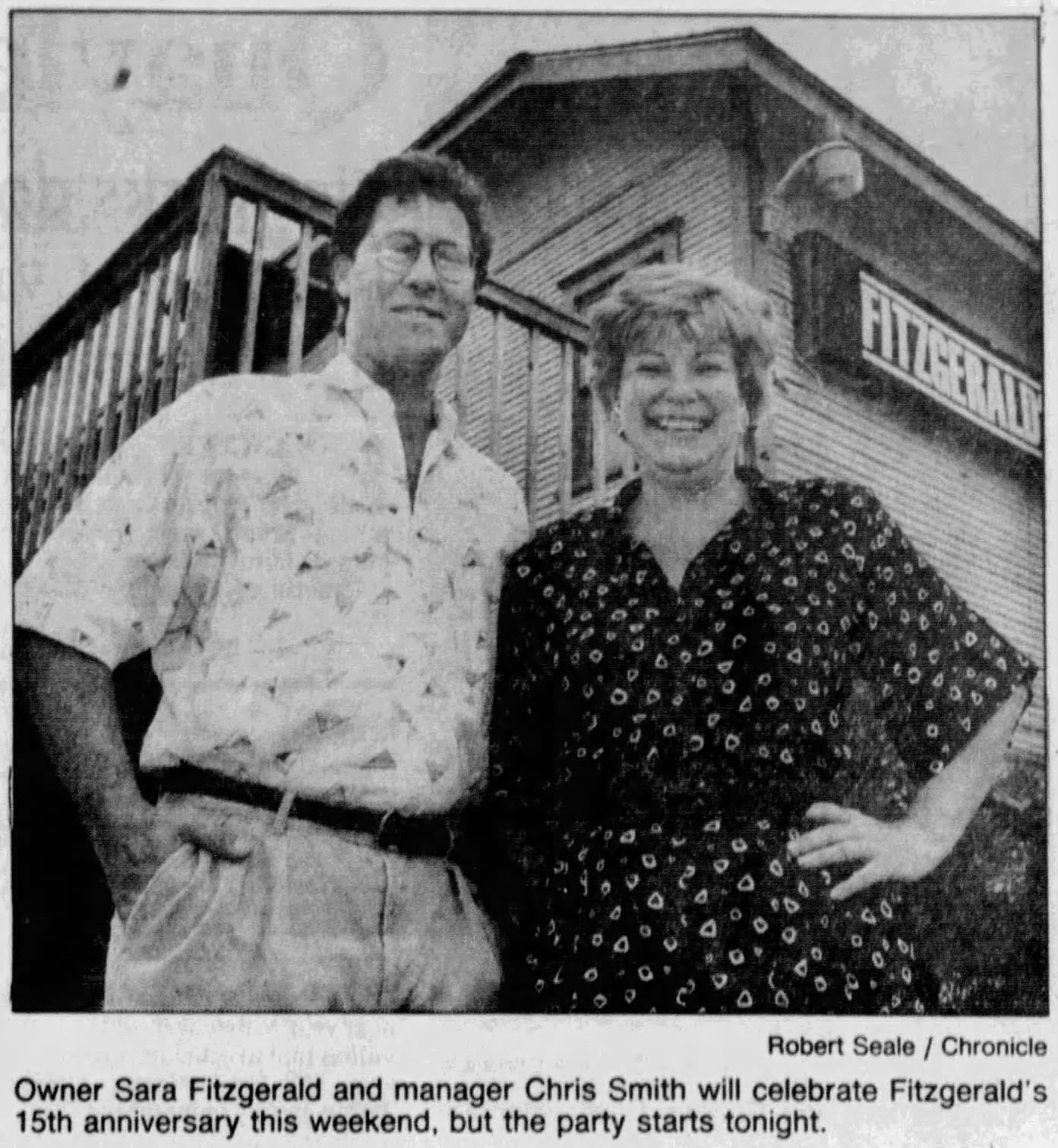 Behind the shows, the venue stayed alive through a rotating crew of managers, talent buyers, and floor staff who kept the place from falling apart. In the 1980s and early 1990s, manager Chris Smith was central to building the club's reputation and handling the chaos of a growing local scene. Smith ran the day-to-day business operations, tackled whatever job descriptions became available, and even single-handedly published the club's monthly newsletter, the FitzHerald. (He and Sara even briefly plotted to install a professional oven and open a casual restaurant downstairs serving spaghetti). When Smith amicably resigned around 1992 to pursue other music industry projects, the torch was passed to new waves of booking agents. By the mid-1990s, the venue's calendar was steered by agents like Chris Chaney, who fiercely fought to secure alternative and local acts before eventually moving on to agencies like Alliance. The mid-to-late 1990s saw Robbie Conley step in to manage and navigate the increasingly crowded Texas underground market.
The venue also relied on passionate advocates like booking manager Frances Tofte, who famously organized town hall meetings at the club to address the struggles of the Houston music scene. On the ground level, order was maintained by legendary floor managers like the “unflappable” Tobin Harvell. Harvell famously had to pull the plug on the PA system and physically confront a punk band whose singer decided to drop his pants and expose himself to a family-filled audience during a Sunday showcase. The staff's character extended to the bars, anchored by beloved, award-winning bartenders like Mike Hildebrand, who was known to spontaneously leap onstage to dance between serving drinks, and Sara Fitzgerald's own niece, McQuiller, who kept the family legacy alive from behind the downstairs taps.
The Turning Tide: Gentrification and the Noise Wars
As Fitzgerald's entered the 21st century, the neighborhood surrounding it began to undergo a transformation that wasn't going to reverse itself. The Heights, once a working-class neighborhood of modest bungalows and blue-collar businesses, became ground zero for Houston's aggressive gentrification. Small homes that Sara Fitzgerald noted sold for a mere $15,000 in the 1970s were suddenly being torn down and replaced by towering townhomes, with real estate prices commanding north of $600,000 by the 2010s. As wealthy professionals moved into the newly constructed properties and renovated historic houses, a culture clash was inevitable. The artists and musicians who originally gave the neighborhood its bohemian allure were gradually priced out, and the new residents were far less tolerant of the late-night cacophony generated by a historic music hall.
This tension culminated in intense, city-wide battles over municipal noise ordinances. Unlike most major American cities, Houston famously lacks formal zoning laws. This unique lack of urban planning meant that a 1,000-capacity heavy metal venue could legally exist shoulder-to-shoulder with luxury residential properties, creating a situation that was never going to end well. In October 2012, the Houston City Council overhauled its Chapter 30 sound ordinance in a 13-to-1 vote championed by Mayor Annise Parker, fundamentally changing how noise complaints were prosecuted.
Crucially, the new law removed the requirement for the Houston Police Department to carry decibel meters to objectively measure sound. Instead, officers on the newly formed noise ordinance task force were empowered to write citations based purely on the subjective measure of whether amplified sound could be heard from the sidewalk or property line.
Fitzgerald's, given its lack of modern soundproofing, its rattling windows, and its reliance on open-air porches, immediately found itself under the microscope. The venue faced increased police scrutiny, citations, and fines that could reach up to $1,000 per violation. Local politicians like Council Member Ed Gonzalez and Sallie Alcorn championed the weary residents who claimed their quality of life was being destroyed, with some constituents alleging they were forced to sleep in their bathrooms or change their work shifts to escape the thumping bass of neighboring establishments.
Conversely, the Greater Houston Entertainment Coalition Political Action Committee (GHECPAC), led by registered lobbyist Joshua Sanders, argued that the subjective nature of the new law made compliance impossible for club owners. Other venues across the city, such as the Swagger Lounge and Montrose hipster haven Boondocks, were also heavily targeted. Boondocks' owner Shawn Bermudez was even cuffed and hauled to the HPD central lockup despite his efforts to soundproof his venue, and popular performers like DJ Sober faced subjective ticketing.
Matthew Festa, a professor at South Texas College of Law with expertise in land use, pointed out that without zoning, the city was attempting to apply a blanket standard to inherently incompatible land uses. Due to a lack of witnesses and tangible evidence, the Harris County court system eventually began dropping these subjective sound ordinance cases. However, the legal and financial friction served as a grim omen: the raw, unpolished operational model of Fitzgerald's was rapidly becoming incompatible with its upscale, residential surroundings.
The Corporate Interlude and the Great Meltdown (2010–2016)
Recognizing the need for a capital infusion and a modernized approach to booking, Sara Fitzgerald leased the building and the business in September 2010 to Pegstar Concerts, a promotion group spearheaded by Jagi Katial and Omar Afra, who were also the founders of the highly successful Free Press Summer Fest. For the first half of the decade, Pegstar rejuvenated the venue's calendar, turning it into a premier hub for high-profile indie, electronic, and hip-hop acts. Artists like Solange, Charli XCX, Big Boi, St. Vincent, and Caribou graced the stage, temporarily elevating Fitzgerald's to compete with sleek, modern venues.
However, the honeymoon was short-lived. Pegstar's lease expired in September 2015, and the group chose not to renew, citing the extreme logistical limitations of the 100-year-old building. Transporting heavy touring equipment, like grand pianos, up the steep, narrow wooden staircases was grueling for road crews, and the venue suffered from inadequate utilities, parking deficits, and persistent noise complaints. Pegstar left to build the massive, modern White Oak Music Hall just north of downtown, instantly creating a competitor that threatened Fitzgerald's market share.
Following Pegstar's exit, things got ugly. Austin-based Transmission Events, led by Graham Williams, and General Manager Lauren Oakes briefly assumed operations, promising the public a massive renovation that would rip the building “down to the studs,” overhaul the electrical and plumbing systems, and install an elevator. By October 2015, these grand plans had stalled; Oakes resigned via email, citing irreconcilable differences regarding the pace of remodeling, and Transmission Events severed ties shortly after, leaving the venue's future clouded in uncertainty.
Management was subsequently handed over to tenants Josh Merritt and Dacondo Casey, setting the stage for one of the most publicized meltdowns in Houston's music history. By February 2016, the relationship between owner Sara Fitzgerald and the tenants imploded over severe rent disputes and allegations of gross mismanagement. Merritt claimed the overhead and “unfair rent” made profitability impossible, preventing them from making necessary repairs. Meanwhile, former production manager Shawn Walsh went public with allegations of severe financial irregularities, including unpaid bands, bouncing employee payroll checks, and the shady shifting of funds. Merritt vehemently denied the charges, blaming entitled local bands who failed to draw crowds for not getting paid.
The whole thing came to a head in early 2016 when the tenants vacated the building following a loud, private “farewell party”. The morning after the move-out, photos flooded social media (allegedly posted by a disgruntled ex-employee using an office computer) showing the historic venue extensively vandalized. The upstairs was wrapped in toilet paper, straws and empty boxes littered the floors, and, most egregiously, “juvenile” satanic graffiti, including pentagrams and the number “666,” was spray-painted across the stage carpets. Sara Fitzgerald characterized the damage as a vindictive “parting shot” by disgruntled tenants, while Merritt blamed the destruction on “punk rock kids” who had rented the venue that night to help the staff make extra money, claiming he had personally paid for the ruined carpet and that Fitzgerald was holding their $50,000 security deposit hostage.
For Sara Fitzgerald, the vandalism and the social media humiliation served as a stark “wake-up call.” Citing her legal right via the lease's “as is” clause, she seized back operational control of the venue, intending to rebuild the staff from the ground up. She openly mocked the dark, hyper-masculine atmosphere left behind by the promoters, describing it as a “black box man cave” built on a “bros before hos” mentality. Pledging to make the venue “more girl-friendly,” she set about cleaning, painting, redesigning the outdoor patios into airy lounge areas, and reviving her beloved two-tier “Zelda's System” for booking local bands.
The Hip-Hop Controversy: A Cultural Collision (2017)
Sara Fitzgerald's return didn't last long before a scandal blew it up. The controversy exposed a rift in Houston's music community that had been there all along. In February 2017, music producer Garrett Brown, known professionally as Trakksounds, contacted Fitzgerald to inquire about booking the successful hip-hop artists Starlito and Don Trip.
Fitzgerald listened to the provided tracks and flatly rejected the booking. In an email exchange that Brown subsequently leaked to social media, she stated her disapproval of lyrics she considered misogynistic and saturated with offensive racial expletives. However, it was her broader generalization of hip-hop audiences that ignited a massive firestorm. Fitzgerald wrote in the email: “Music fans that wear their pants under their a-- with 18 inches of underwear showing, buy little, tip little and create big disharmony - no thanks.”
The backlash to the leaked email was immediate, severe, and highly publicized. The local industry interpreted the comments as thinly veiled racism relying on outdated, harmful stereotypes. Calls for boycotts rippled across social media platforms. Talent buyers, such as Chris Wise of Margin Walker Presents, swiftly canceled multiple upcoming shows they had booked at the venue. Long-time local hip-hop acts like Roosh Williams publicly condemned her, noting that the rap shows he had played there since 2008 did not fit her description, and criticizing her for bashing the very demographics that spent money at her establishment.
Fitzgerald defended herself on several fronts, but none of it helped much. She claimed the rejection was rooted in feminism, arguing that the lyrics were deeply offensive to women and that misogyny was a “color issue” prevalent in rock 'n' roll as well. She pointed out that parts of her email were direct quotes from the artists' own songs. Regarding her critique of the fans' attire and tipping habits, she admitted she could have expressed herself better, attributing her tone to pure exhaustion after working a “100-hour” week at the club, stating, “The grandma in me came out”.
The incident set off a broader debate in Houston. Drew Brown, a visiting scholar in African American studies, contextualized her remarks as a common, albeit harmful rejection of hip-hop by older generations operating from positions of institutional power. Conversely, Mandy Parker, an African American promoter who had collaborated with Fitzgerald for years, publicly defended her character, asserting the comments were not a racial attack but a clumsy business grievance regarding bar sales. While the venue weathered the immediate boycott (Fitzgerald noted that as some artists canceled, others called to fill the vacated slots), the controversy left a mark, and it made clear that the gap between the aging owner and the current music landscape.
The Final Chords and Demolition (2018–2019)
By 2018, it was all catching up: the neighborhood had changed, the building was expensive to maintain, the controversies had piled up, and Sara Fitzgerald was tired. Sara Fitzgerald, now a 69-year-old grandmother, admitted that the physical toll of managing a chaotic, high-energy nightclub and staying up until 4:00 a.m. after loud shows was no longer sustainable. In August 2018, she executed what she humorously referred to as her “42-year real estate flip”.
The property was sold to EasyPark, a Chicago-based real estate and parking company affiliated with investor Jesse Levine, operating under the entity Heights Studemont Purchase Co. The numbers told the story of what had happened to the Heights; the Harris County Appraisal District valued the 18,435-square-foot site at $1.5 million, though a deed of trust revealed a $3.5 million loan for the entire parcel, which included three adjacent lots. EasyPark, known for developing commercial hubs like Railway Heights, had no interest in operating a “rickety music club that always teetered on, rather than rising above, solvency”. Former real estate reporter Nancy Sarnoff chronicled the sale, noting the inevitability of the transaction in the booming Houston market.
Aware of the impending teardown, the Houston music community rallied for a month-long Irish wake. December 2018 was programmed as a continuous farewell party, a collection of sentimental reunions and hauntings. Legions of bands that had defined the club's golden eras returned to the Heights for one last gig. Punk stalwarts 30footFALL, British electronic act Doctor Rockit, and rockabilly group the Hickoids all took the stage one last time. On December 31, 2018, the cover band Skyrocket! (who had played the venue in various incarnations for 35 years) played the final chords, closing the doors for the last time after 42 years.
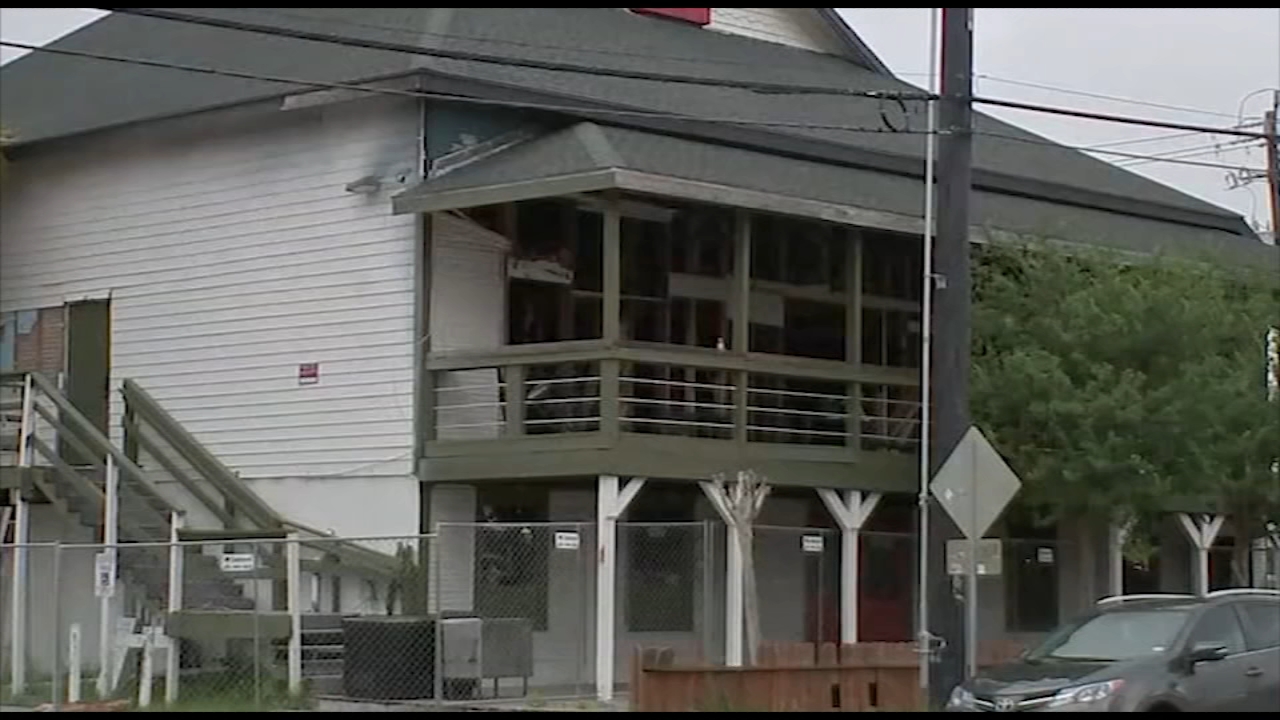
Sara Fitzgerald took her check from EasyPark and retired to a peaceful life in Seguin, Texas, far from the pulsing bass and the noise complaints. In May 2019, the demolition crews finally arrived at White Oak and Studemont. The petrified 12x12 wooden beams, the floorboards that had bounced under the boots of Stevie Ray Vaughan and generations of punk rockers, and the historic remnants of the Dom Polski were systematically dismantled.
Today, the corner of 2706 White Oak Drive is a parking lot.
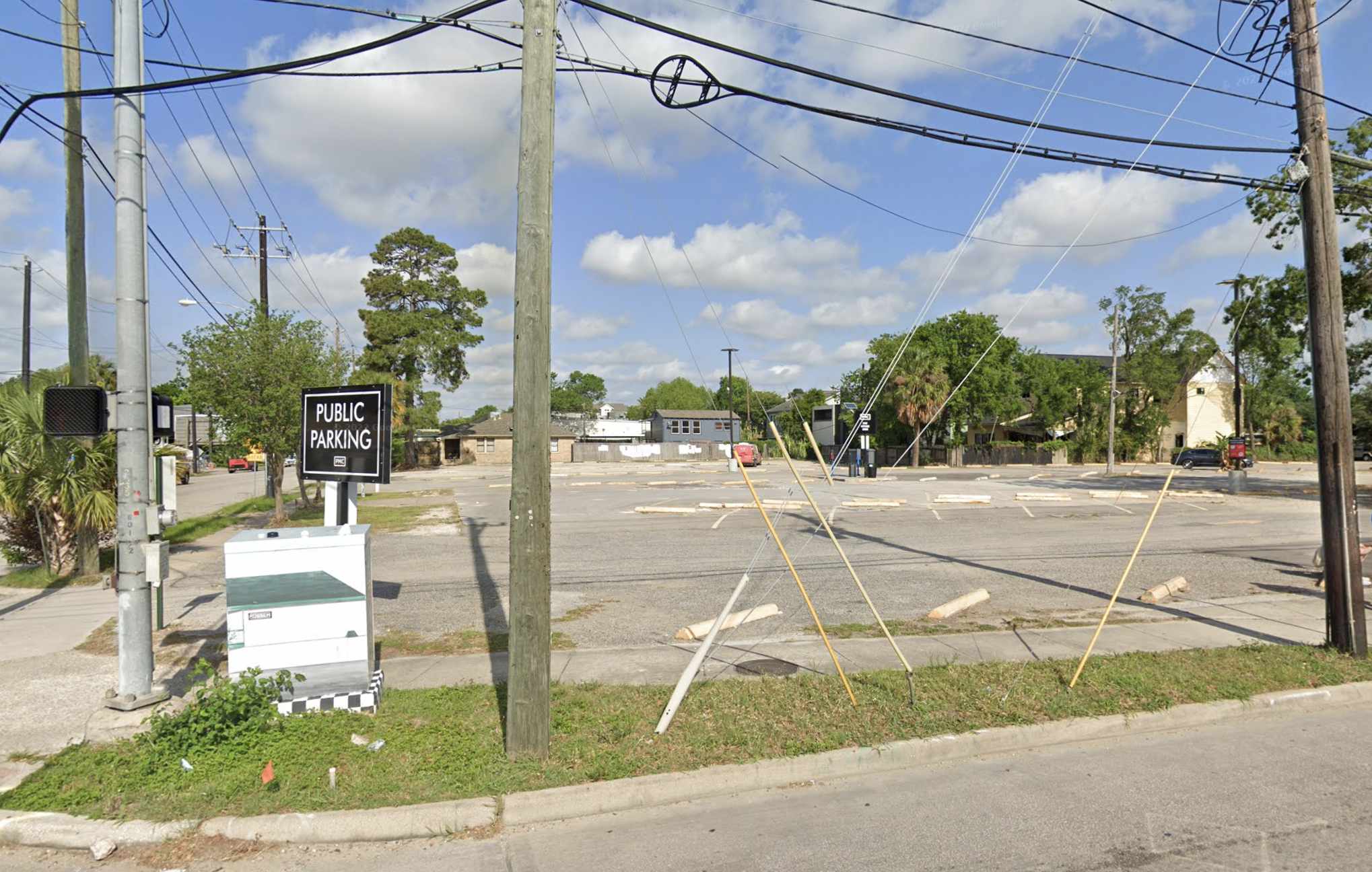
The building is gone, but the thing about Fitzgerald's is that it was never really about the building. It was a Polish dance hall, then a blues club, then a punk venue, then a battleground over noise ordinances and gentrification and who gets to decide what a neighborhood sounds like at night. It was where the “Zelda's System” gave college kids and local punks a stage to play on before they'd earned one. It was where Sara Fitzgerald poured a thousand shots of Crown Royal for Stevie Ray Vaughan and cleaned up after Insane Clown Posse. The sagging floors, the fires, the vandalism, the controversies. Fitzgerald's held all of it for 42 years. Houston doesn't have the building anymore, but everyone who walked up those stairs remembers what it felt like.